
Last updated September 25, 2026
ADU Warning Signs: A Burbank Homeowner’s Reference Guide
A plan check correction in Burbank costs the homeowner nothing in fees, but each round adds three to six weeks to the permit timeline. A project with four correction cycles has effectively lost a rental season before ground is broken. Most warning sign guides focus on contractors who are unlicensed or demand cash, yet the more expensive failure mode in Burbank is a fully licensed team that produces a permit set the city keeps correcting because the designers have never worked inside Burbank’s specific plan check review culture. In this guide, we’ll cover both the contractor red flags and the documentation red flags that precede a derailed project, with specific attention to Burbank’s municipal patterns and what we’ve observed across 900+ ADU projects since 2015. For a deeper dive, see The Complete Guide to ADU in Burbank.
Quick Answer
The most costly ADU warning signs in Burbank are not contractor scams but documentation failures: permit sets with incomplete Title 24 energy calculations, structural plans missing Burbank’s specific seismic detailing, and contracts with time-and-materials clauses or allowance line items exceeding 15% of budget. A legitimate ADU proposal contains a fixed written price, a detailed scope with product specifications, and a permit set reviewed against Burbank’s published plan check correction patterns before submission.
Table of Contents
- The Permit Set Deficiencies That Trigger Burbank Plan Check Corrections
- How to Read a Contractor’s Burbank Permit History
- Contract Language That Is a Structural Warning Sign
- What a Legitimate ADU Proposal Document Contains
- Three Post-Construction Warning Signs
- Classic Contractor Red Flags Still Worth Watching
- Prefab and Modular ADU Warning Signs
- Common Mistakes to Avoid
- When to Call a Professional
- Frequently Asked Questions
- The Bottom Line
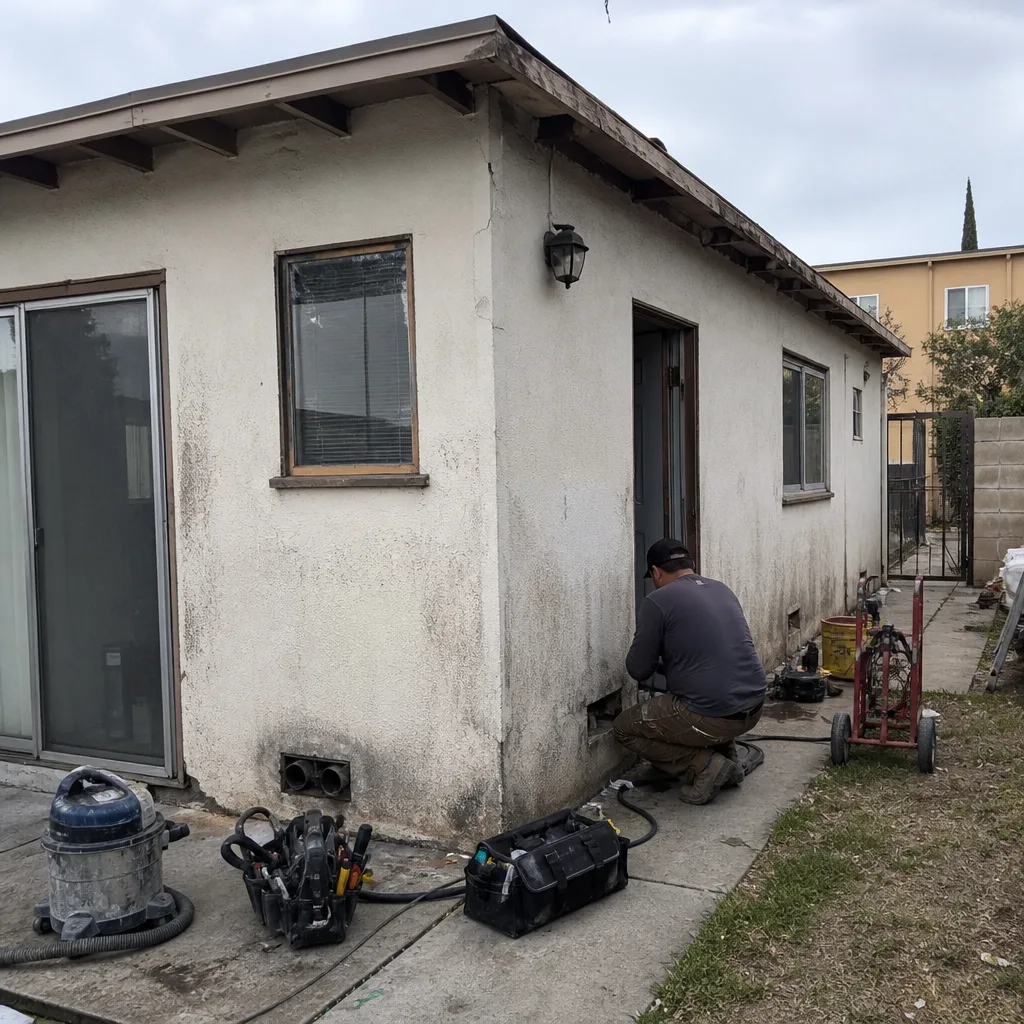 Before
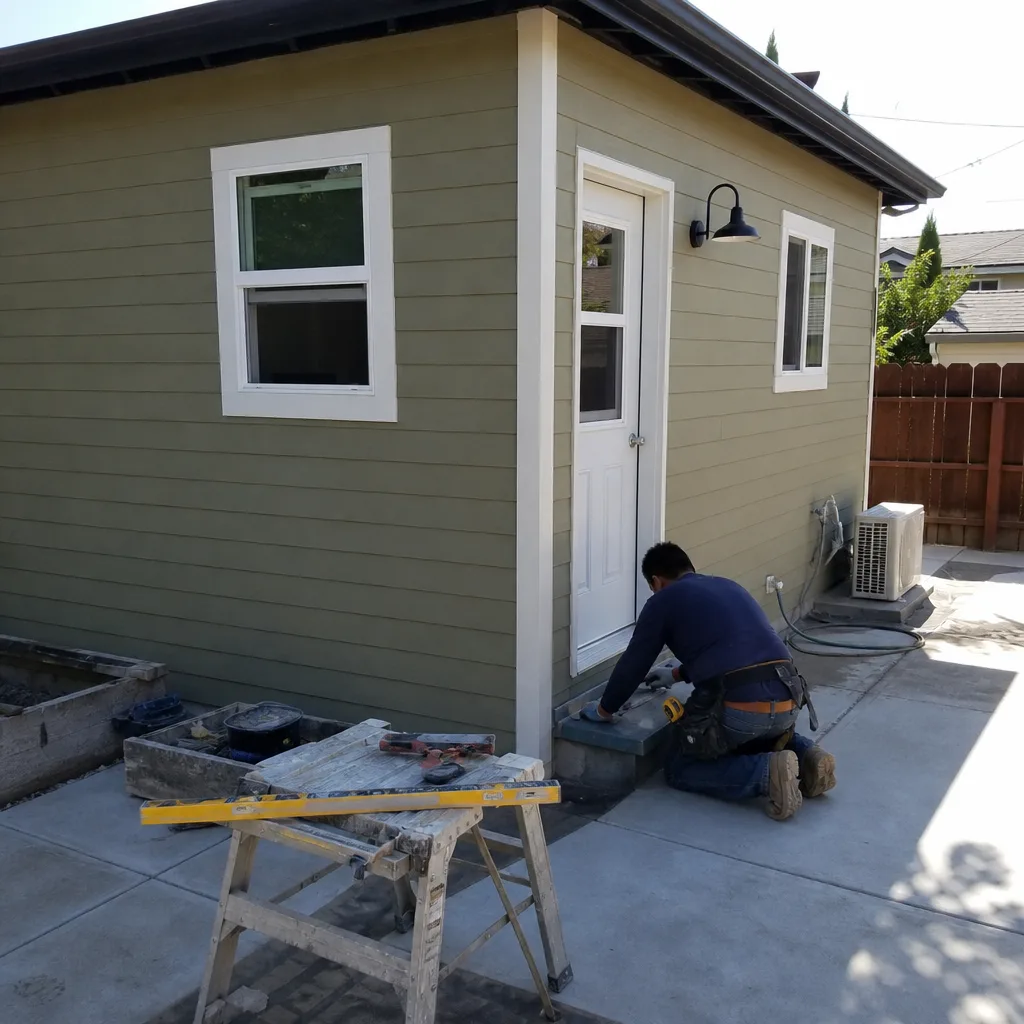 After
AfterThe Permit Set Deficiencies That Trigger Burbank Plan Check Corrections
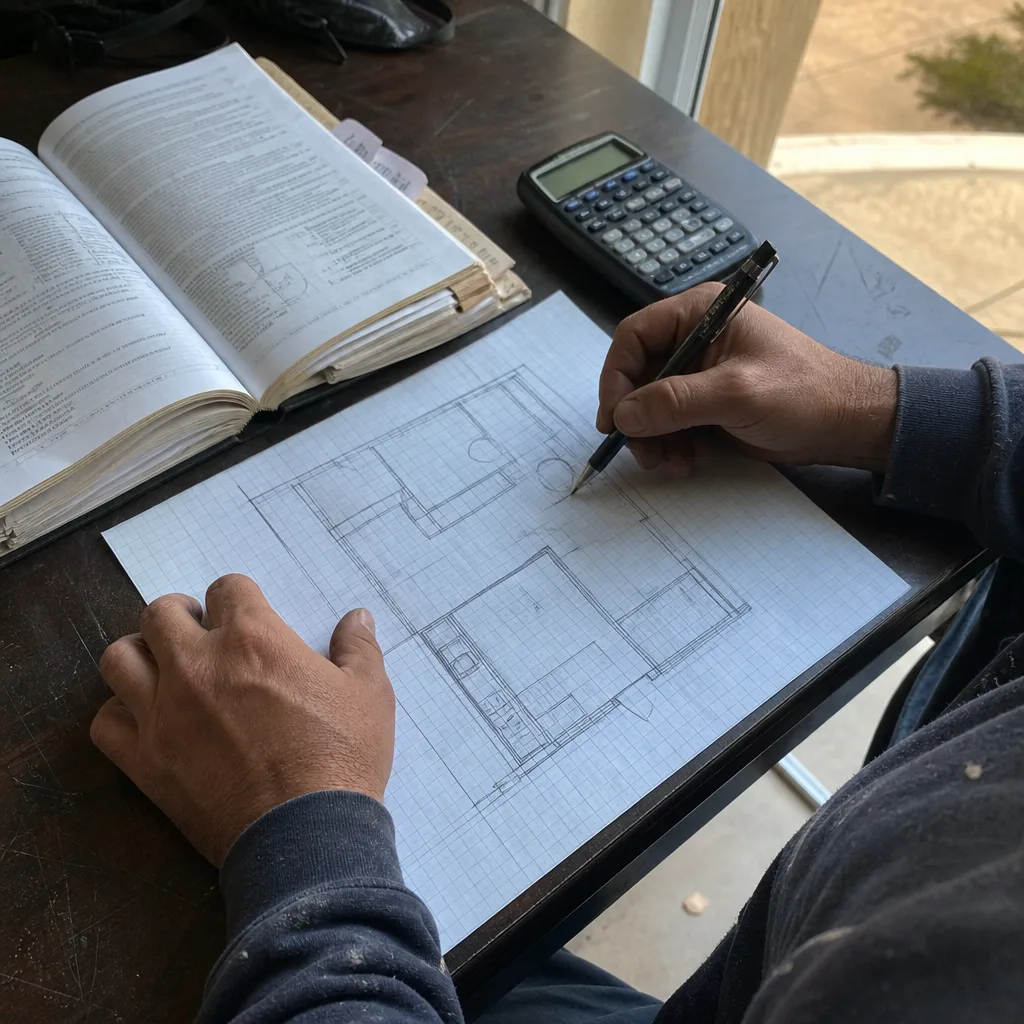
Burbank’s Building Division processes ADU permits through a plan check system that reviews structural, mechanical, electrical, plumbing, and energy compliance simultaneously. The city publishes correction letters that return to the applicant with specific code citations. After reviewing public records and our own submission history, we’ve identified the deficiencies that appear most frequently in Burbank ADU plan check corrections.
Incomplete Title 24 energy compliance documentation. California’s energy code requires documented compliance for all conditioned space. Burbank plan checkers frequently flag missing CF-1R forms, incorrect insulation values for the local climate zone, or HERS verification plans that don’t account for Burbank’s specific requirements. The city sits in Climate Zone 9, which affects insulation and glazing specifications. A permit set prepared by a designer unfamiliar with Burbank’s interpretation of Title 24 often uses generic Los Angeles County calculations that don’t align with the city’s enforcement patterns.
Structural plans missing Burbank’s seismic detailing. Burbank’s location near the Verdugo Fault and its proximity to the San Andreas system means the city enforces seismic detailing with particular attention. We’ve seen correction letters requiring additional hold-down specifications for light-framed shear walls, revised anchorage details for existing slab connections, and clarification of site-specific soil conditions. A structural engineer who has not worked in Burbank may specify standard Southern California details that the city’s structural plan checker finds insufficient.
Fire separation and egress conflicts. For garage conversion ADUs and junior ADUs, Burbank applies fire separation requirements between the ADU and primary residence with specific attention to ceiling assemblies and garage door replacements. The city’s correction letters frequently address: 1-hour fire-rated assemblies where the existing garage lacks them; egress window sizing for basement or below-grade conversions in the hillside areas near Verdugo Mountains; and separation of utilities when the ADU shares a meter location with the primary dwelling.
Utility service adequacy. Burbank Water and Power operates independently from LADWP, with its own service sizing requirements. Plan check corrections often request electrical load calculations demonstrating that the existing service panel can handle the ADU addition, or water service sizing verification for detached units. A designer working from Los Angeles templates may not account for Burbank’s utility infrastructure.
Missing or incorrect zoning verification. Burbank’s ADU ordinance includes specific floor area ratio calculations, height restrictions that vary by zoning district, and rear yard coverage rules that differ from Los Angeles. The Magnolia Park neighborhood and the hillside zones below the Verdugo Mountains have particular constraints. Correction letters frequently return with requests for revised site plans showing accurate setback measurements from all property lines.
The pattern is clear: each correction cycle represents three to six weeks of lost time, and the homeowner pays through delayed rental income or extended construction financing. At ADU Design & Permitting in Burbank, we review every permit set against Burbank’s published correction patterns before submission. Our permit sets are the core product, not an afterthought.
How to Read a Contractor’s Burbank Permit History
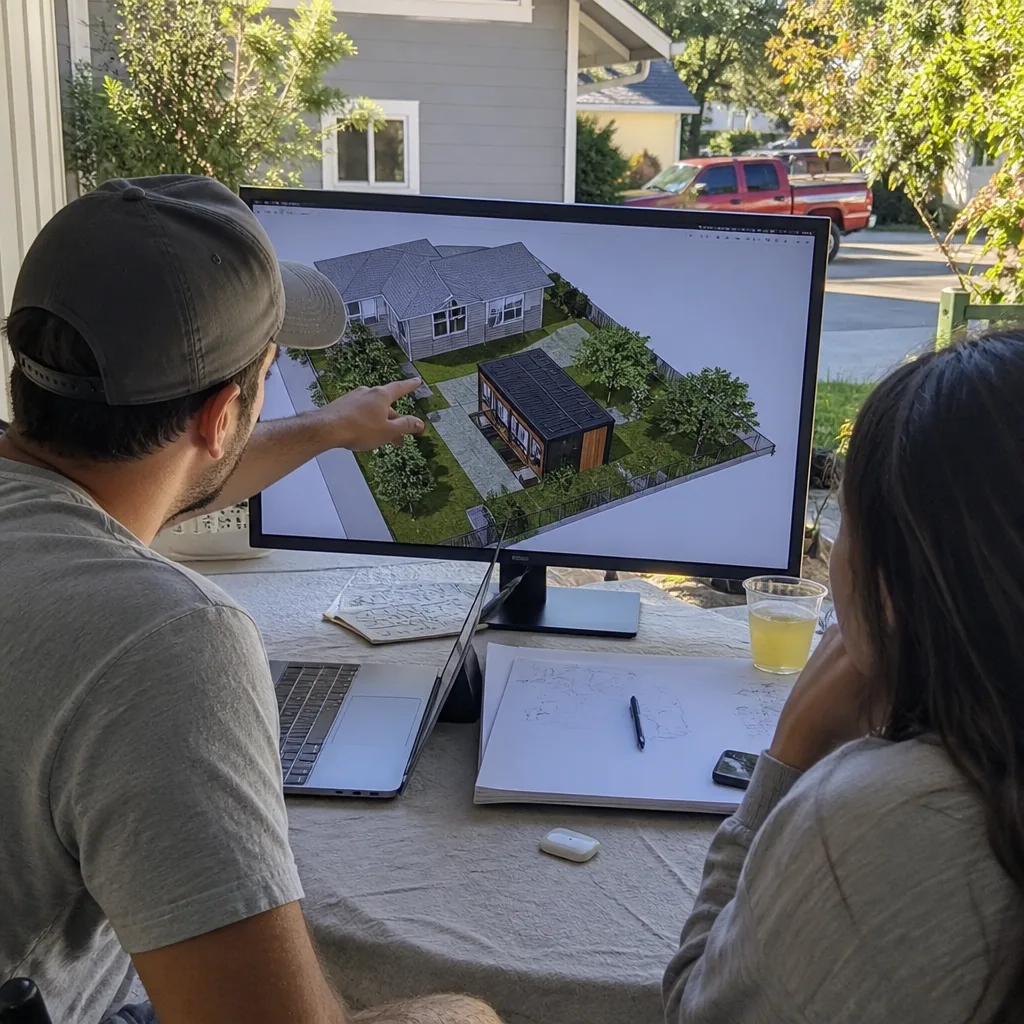
A contractor’s permit history is public record in Burbank, accessible through the city’s Building Division. Most homeowners check for license status and complaint history, which is necessary but insufficient. The more revealing data is correction frequency: how many plan check cycles each permit required, and whether the same deficiencies appear repeatedly.
Here’s how to read a Burbank permit history for ADU-specific risk:
- Request the permit number for a completed ADU project. Any contractor who has built ADUs in Burbank can provide this. If they cannot, they likely have no Burbank ADU experience.
- Check the permit timeline. Burbank’s Building Division timestamps each plan check submittal and correction. A permit with four or more correction cycles suggests the initial submittal was incomplete or the team did not understand Burbank’s requirements.
- Read the correction letter topics. Repeated structural corrections indicate engineering unfamiliar with Burbank’s seismic environment. Repeated energy code corrections suggest Title 24 compliance was treated as a formality rather than a designed system.
- Compare permit count to correction ratio. A contractor with twenty Burbank permits but an average of three correction cycles each has less relevant experience than one with ten permits and one correction cycle each. The metric that matters is first-time approval rate, not total volume.
- Verify who held the design responsibility. In design-bid-build projects, the contractor may blame the designer for permit delays. In a Ellery ADU Studio Burbank home design-build contract, a single entity is responsible for both, eliminating this blame gap.
We’ve reviewed our own Burbank permit history: our first-time approval rate reflects the permit-set-first approach we’ve maintained since 2015. When corrections do occur, they typically address minor clerical items rather than structural or energy compliance failures.
Contract Language That Is a Structural Warning Sign
The contract is where vague promises become enforceable obligations, or fail to. Certain clauses predict cost overruns and disputes with high reliability. We flag these for homeowners who bring us estimates for our Free Second Opinion service. Not sure whether to build yourself or hire out? Read our DIY vs Professional ADU: The Burbank Homeowner’s Decision Guide first.
Time-and-materials pricing. A time-and-materials contract transfers all cost risk to the homeowner. The contractor has no incentive to control labor hours or material waste. For an ADU project with a six-figure budget, this structure virtually guarantees overruns. Under Haven Standard Clause 1, every Ellery project is quoted with a written price before any work begins. The words “call for a quote” do not appear anywhere in our documentation.
Allowance line items exceeding 15% of total budget. Allowances are placeholder dollar amounts for selections not yet made: flooring, fixtures, appliances. A contract with 25% or 30% in allowances is not a fixed price; it’s an estimate with a ceiling that keeps rising. We specify products by manufacturer and model in our scope documents, leaving minimal allowance exposure. When allowances are necessary, we cap them and disclose the basis.
Unilateral change-order authority. Some contracts allow the contractor to issue change orders without homeowner signature for items the contractor deems “necessary.” This clause effectively nullifies the fixed price. A legitimate contract requires written, signed change orders with detailed scope and pricing before work proceeds. Under Haven Standard Clause 5 (No Surprises), the scope is locked at signing; no door-side upsells, no scope creep.
Vague permit responsibility. Language like “permit costs to be determined” or “owner responsible for all permit fees” without a defined permit set scope indicates the contractor does not control the design process. In Burbank, where plan check corrections can consume months, this vagueness is particularly costly. Our contracts specify the complete permit set, all submittals, and correction responses as our responsibility.
Missing warranty terms. A contract without written warranty terms for workmanship leaves the homeowner with common-law remedies only, which require litigation to enforce. The 365-Day Done Right Promise is backed in writing before the project starts: if the finished ADU is not built to the permitted drawings, we make it right.
What a Legitimate ADU Proposal Document Contains
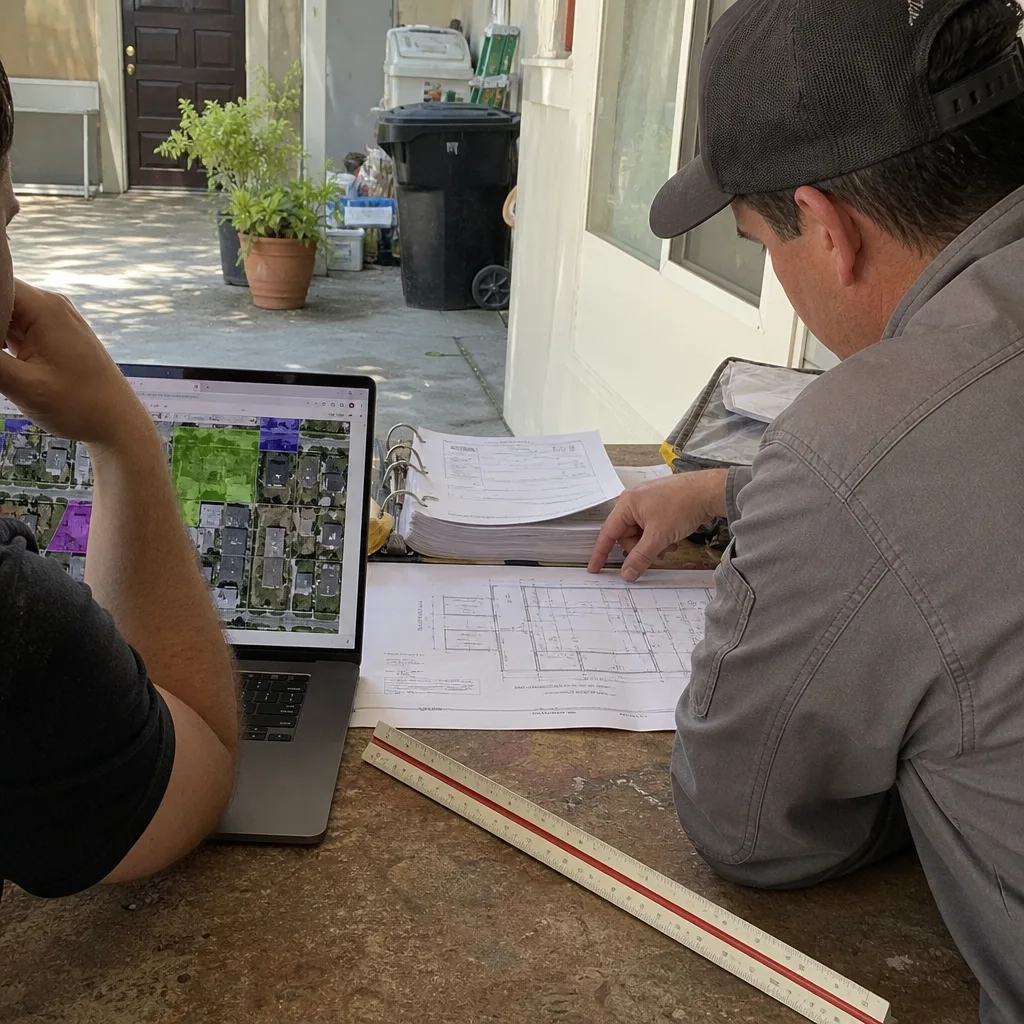
A proposal that can support a fixed price looks different from one that cannot. The distinction matters because many Burbank homeowners receive proposals that are essentially preliminary budgets, then face escalating costs as the design develops.
A legitimate ADU proposal contains:
- Site plan with verified setbacks. Not a satellite image with approximate dimensions, but a surveyed or measured site plan showing all structures, easements, and required setbacks from property lines. Burbank’s setback requirements vary by zoning district and frontage type.
- Floor plan with room labels and dimensions. Every room named, every dimension noted, ceiling heights specified. Vague labels like “living area” without square footage indicate the space has not been designed to code minimums.
- Elevation drawings. Exterior views showing materials, roof pitch, door and window locations, and finished grade relationships. Burbank’s Design Review Board may review ADU aesthetics in certain districts; elevations demonstrate compliance intent.
- Structural system description. Foundation type, framing system, shear wall locations, and roof structure. For Burbank’s seismic environment, this must include specific connection details, not generic notes.
- Energy compliance summary. The proposed insulation package, HVAC equipment efficiency ratings, and glazing U-factors that will achieve Title 24 compliance. This is a designed system, not a hope.
- Line-item scope with product specifications. Each construction phase broken into components with specified products: “Kitchen cabinets: IKEA SEKTION or equivalent, specified model” rather than “cabinets: $4,000 allowance.”
- Fixed total price with payment schedule. A single written number with defined payment milestones tied to verifiable progress, not calendar dates.
- Permit and inspection scope. Explicit responsibility for plan check submittal, correction response, and all required inspections through final certificate of occupancy.
A proposal missing three or more of these elements cannot support a fixed price. The contractor is either unprepared to commit or planning to develop pricing as they go, which means the homeowner bears the uncertainty. At Garage Conversion ADU in Burbank and across all our services, we deliver complete proposal documents before any contract is signed.
Three Post-Construction Warning Signs
The most dangerous warning signs appear after construction is complete, when the certificate of occupancy has been issued and the contractor has moved on. These indicate that the finished ADU may not match the approved drawings, creating liability for the homeowner and potential code enforcement exposure.
Sign 1: The final walkthrough did not include a drawing comparison. A legitimate final inspection verifies that built conditions match permitted conditions. If your contractor did not walk through with the approved plans, comparing room dimensions, window locations, and structural elements, there is no basis for that verification. We document this comparison with photos referenced to plan sheets, included in the photo record delivered to the client.
Sign 2: The certificate of occupancy was issued on a partial inspection record. Burbank requires inspections for foundation, framing, mechanical/electrical/plumbing rough, insulation, and final. If your contractor arranged for the final inspection while earlier inspections were still open or failed, the certificate may have been issued in error. Request your inspection history from Burbank Building Division; gaps or failures without re-inspection dates are red flags.
Sign 3: Changes were made during construction without revised drawings. Field changes are common in construction, but any change affecting structure, egress, energy compliance, or fire separation requires revised drawings and often a revised permit. If your contractor made “minor adjustments” without documentation, the built ADU may not comply with the approved permit set. This affects resale value, insurance coverage, and potential future code enforcement. Our 365-Day Done Right Promise specifically addresses this risk: if the finished ADU is not built to the permitted drawings, we make it right.
For New Detached ADU in Burbank projects, these risks are heightened because the structure is independent and any deviation from approved plans affects the entire building’s compliance.
Classic Contractor Red Flags Still Worth Watching
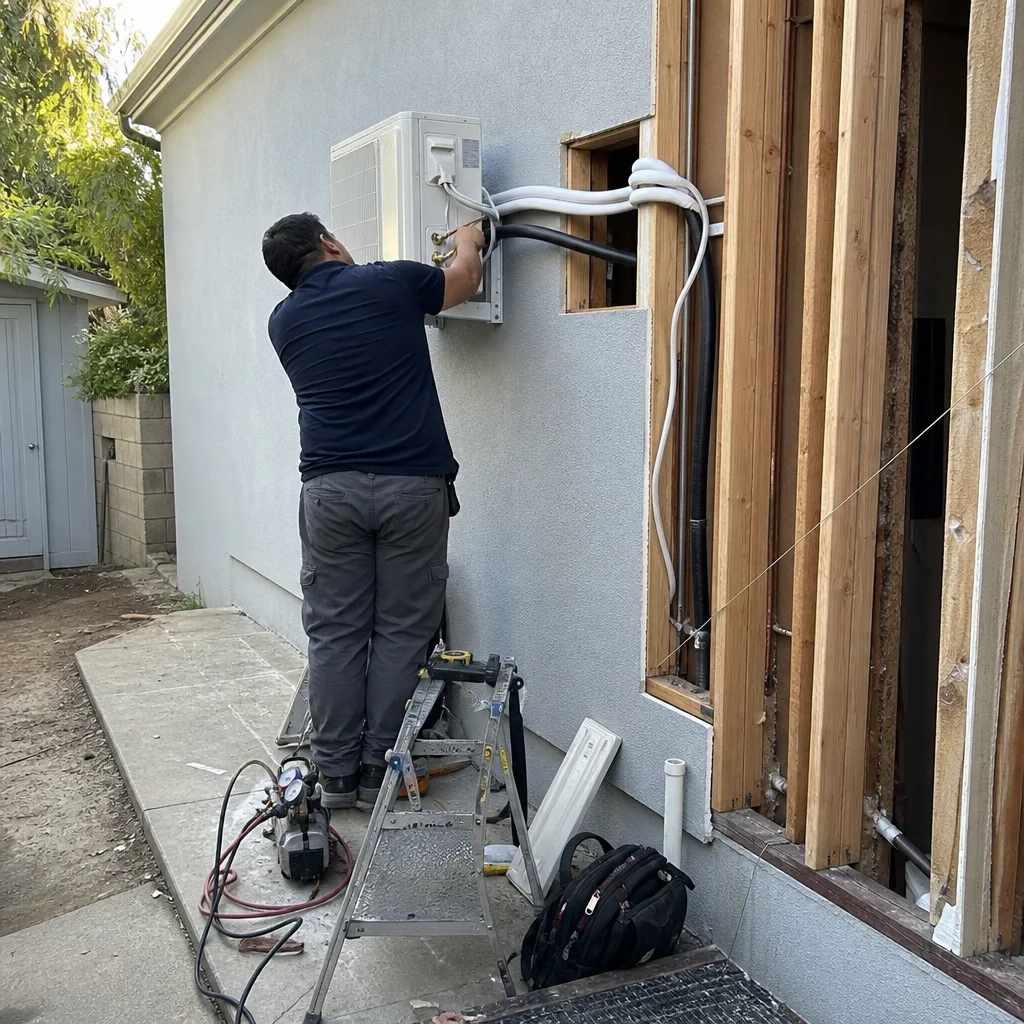
The documentation-focused warnings above are more common and more expensive, but the classic contractor red flags still appear in Burbank. We encounter them when homeowners bring us projects to rescue mid-stream.
License verification failures. California Contractors State License Board records are public. Verify the license classification: a B-General Building contractor can build an ADU, but an C-36 Plumbing contractor cannot legally contract for the full project. Verify the license is active and in good standing. Verify the business name on the contract matches the license record exactly.
Insurance documentation refusals. A legitimate contractor provides a certificate of insurance naming the homeowner as additional insured upon request. Refusal or delay in providing this documentation suggests the coverage does not exist or is insufficient.
Large upfront payments. California law limits down payments to 10% of contract price or $1,000, whichever is less, for home improvement contracts. Requests for 25% or 50% upfront, particularly before permit approval, indicate cash flow problems or intent to fund other projects with your deposit.
Pressure to begin before permit approval. Starting construction on an unpermitted ADU in Burbank exposes the homeowner to stop-work orders, demolition orders, and difficulty obtaining retroactive permits. Any contractor who suggests “we can get the permit later” does not understand or does not care about the financial exposure they are creating.
No physical business address. A contractor who operates only from a cell phone and post office box has no fixed asset at risk in their reputation. Ellery ADU Studio maintains a permanent Burbank presence; our license number appears on every page of our documentation.
Prefab and Modular ADU Warning Signs
Prefab and modular ADU systems from brands including Plant Prefab, Tuff Shed, James Hardie, and Abodu offer potential schedule and quality advantages, but they introduce specific warning signs distinct from site-built projects. Ellery specifies and coordinates these systems within our single-contract model, and we’ve observed where prefab projects derail.
Factory specifications that don’t match Burbank’s site conditions. A prefab unit designed for flat, stable soils may not accommodate Burbank’s hillside lots without revised foundation design. The factory’s standard utility connections may not align with Burbank Water and Power’s service locations. The proposal must include site-specific adaptation, not just factory specifications.
Transport and crane logistics undefined. Burbank’s residential streets have varying width and overhead clearance. A prefab delivery requires route planning, crane placement, and street closure permits. A proposal without these logistics specified is incomplete and will generate change orders.
Factory warranty separate from installation warranty. Some prefab sellers warrant the module but not the installation, or use different warranty terms for each. The homeowner must track which entity is responsible for which defect. Our single-contract model wraps both under the 365-Day Done Right Promise.
Permit coordination gaps. The factory may provide engineering stamped for California, but Burbank’s plan checkers still review for local conditions. A prefab project requires the same Burbank-specific permit preparation as a site-built project, plus additional coordination for factory inspections. A contractor who treats the prefab permit as “simpler” has not done the work.
Common Mistakes to Avoid
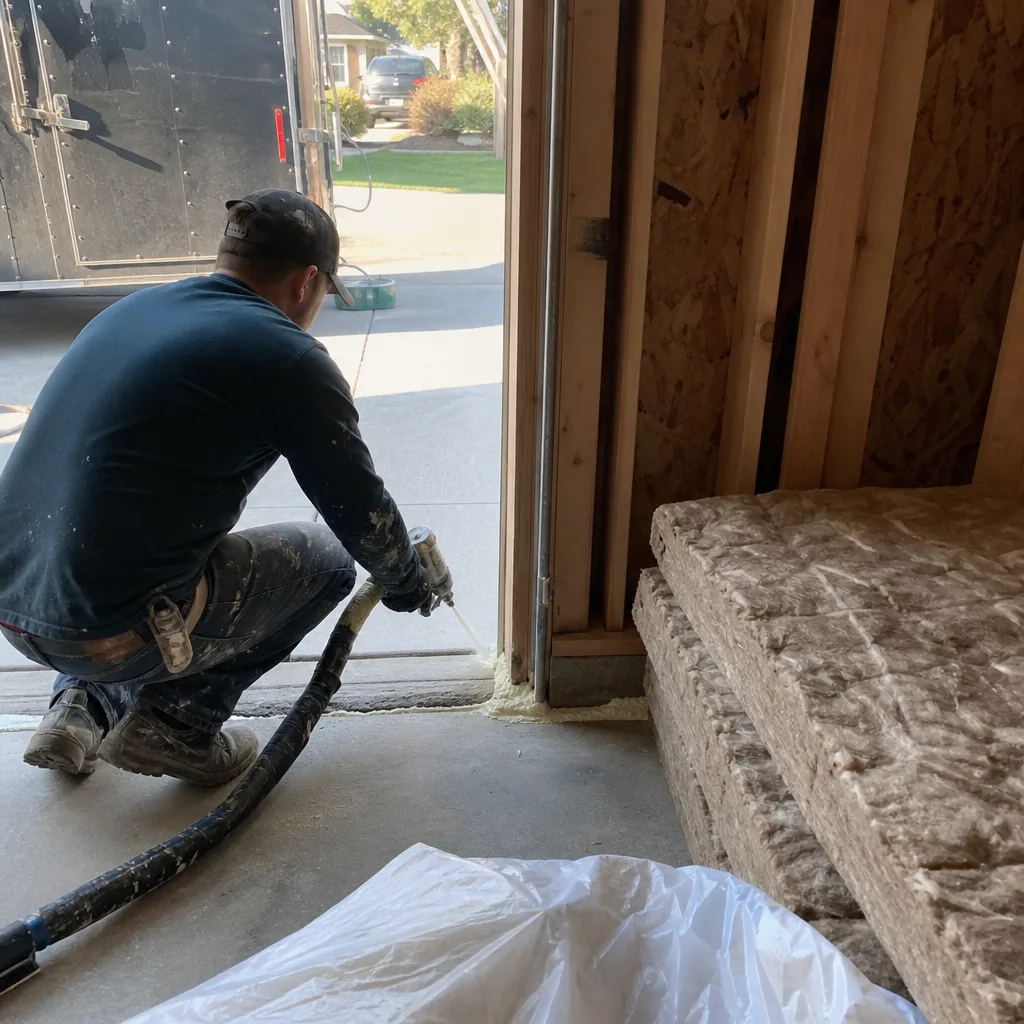
- Choosing based on lowest initial estimate. An estimate with 30% allowances and undefined scope is not comparable to a fixed-price proposal with specified products. The lower number often becomes the higher final cost.
- Not verifying Burbank-specific experience. A contractor with extensive Los Angeles ADU experience but no Burbank permits does not understand Burbank’s plan check culture, utility requirements, or inspection scheduling. The Verdugo Mountains hillside zones and Magnolia Park historic considerations are particular to this city.
- Accepting verbal promises about permits. “We’ll handle all the permits” means nothing without contract language defining the permit set scope, correction response responsibility, and timeline commitment.
- Ignoring the design-build gap. When designer and contractor are separate entities, each can blame the other for delays and cost overruns. The homeowner becomes the project manager resolving disputes they did not create.
- Not requesting the inspection record. Burbank maintains inspection histories that reveal whether construction proceeded according to approved plans. Homeowners rarely request this documentation, then discover problems at resale.
- Assuming certificate of occupancy equals compliance. Certificates are issued based on inspector observation at specific moments. They do not guarantee that all work matches approved drawings unless the contractor has verified that match.
- Delaying the second opinion. Our Free Second Opinion on any written estimate already in hand is most valuable before contract signing, when leverage to correct course still exists.
When to Call a Professional
Call a design-build professional when you have a written estimate in hand and cannot verify that it contains the elements above: fixed price, specified products, complete permit scope, and written warranty. If you’re still evaluating contractors, our How to Hire a ADU Contractor in Burbank: A Step-by-Step Guide offers a practical screening framework. Call when the permit timeline matters to your financing or rental income projections. Call when the contractor’s Burbank permit history shows repeated correction cycles or when the proposal lacks elevation drawings and energy compliance documentation.
Ellery ADU Studio Burbank offers free estimates in Burbank. A live person answers calls 24/7 at (747) 322-4648. We provide a written price before any work starts, documented photo records on every visit, and the 365-Day Done Right Promise backed in writing. Bring us any written estimate for a Free Second Opinion, or browse more guides & resources on planning your project.
Frequently Asked Questions
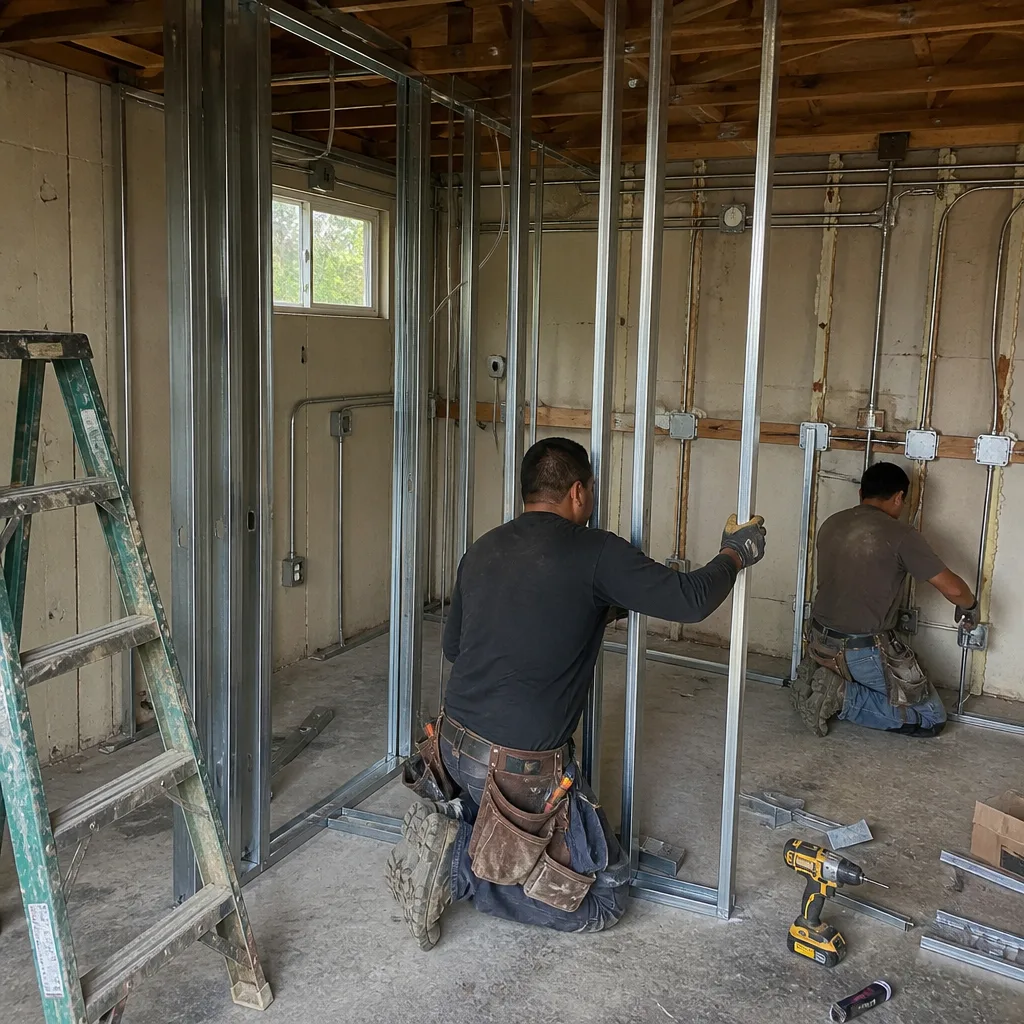
Garage conversion ADUs in Burbank typically run $180,000-$280,000 all-in, drawings through final inspection, while new detached ADUs typically run $320,000-$480,000 depending on size, site conditions, and finish level. Every Ellery project is quoted with a written price before any work begins under Haven Standard Clause 1. Call (747) 322-4648 for an exact quote for your specific site.
Burbank’s plan check timeline is typically 4-6 weeks for a complete first submittal, with each correction cycle adding 3-6 weeks. A permit set prepared with Burbank’s specific requirements in mind often clears in one or two cycles; an unfamiliar set may require four or more, effectively adding months. We review every permit set against Burbank’s correction patterns before submission to minimize cycles.
Under Haven Standard Clause 5 (No Surprises), the scope is locked at signing; no door-side upsells, no scope creep. The only price changes occur if the homeowner requests a change in writing, with detailed pricing, before work proceeds. Call (747) 322-4648 to review how this works in our contract.
Yes. Every Ellery contract includes complete permit responsibility: plan set preparation, submittal to Burbank Building Division, response to all corrections, and scheduling of all required inspections through certificate of occupancy. This is specified in writing, not assumed.
Request the permit number for a completed Burbank ADU project, then contact Burbank Building Division at (747) 322-4648 with the address or permit number. Ask for the plan check correction count and inspection completion record. A contractor with legitimate Burbank experience will provide this willingly; reluctance or inability to provide permit numbers is itself a warning sign.
This creates exposure for code enforcement, insurance coverage disputes, and resale complications. Under our 365-Day Done Right Promise, if the finished ADU is not built to the permitted drawings, Ellery makes it right. This promise is backed in writing before the project starts, not offered as a verbal afterthought.
The Bottom Line
The most expensive ADU failures in Burbank are not contractor scams but permit set deficiencies that consume months in correction cycles, contract structures that transfer all risk to the homeowner, and post-construction gaps between built conditions and approved drawings. The warning signs are visible in the documentation if you know where to look: correction frequency in permit histories, allowance percentages in contracts, and the presence or absence of complete proposal documents. A design-build studio with Burbank-specific experience, a written price guarantee, and a documented quality promise eliminates the designer-versus-builder blame gap that derails most projects.
Written by Nadia Ellery, Owner at Ellery ADU Studio Burbank, serving Burbank since 2015.