
Cover Garage Conversion ADU: The Burbank Owner’s Guide
We stock and install Cover-compatible parts for garage conversion ADUs in Burbank, with most replacements running $1,800-$4,200 installed depending on whether we’re matching a single panel system or a full wall-assembly swap. Most Cover components are on our truck or available next-day through our Los Angeles prefab supply chain. Homeowners usually discover the failure when the unit’s HVAC integration throws a fault code, a wall panel delaminates after a Burbank heat spike, or the electrical subpanel that Cover specs for garage conversions starts tripping under the load of a converted 220V dryer circuit that wasn’t part of the original garage.
Which Cover Models This Applies To
Cover’s garage conversion system ships in two configurations: the Cover Garage Series (CGS-400 and CGS-600, differentiated by wall-panel thickness and insulation R-value) and the earlier Cover Studio Wall System used in pilot projects before 2021. The label is inside the electrical chase, upper right corner of any removable wall panel, stamped with a six-digit lot number starting with “BUR” if it was routed through Cover’s Los Angeles distribution center.
The OEM-versus-aftermarket question matters more for Cover than for most prefab brands because Cover’s wall panels use a proprietary cam-lock edge profile. Generic structural insulated panels won’t seat correctly, and we’ve seen Burbank homeowners waste $800 on “compatible” panels that left a 3/8-inch thermal gap. We source Cover-certified panels through Cover’s regional supply chain or, for electrical and HVAC components, specify equivalent-grade equipment from the same manufacturers Cover uses (Mitsubishi for mini-splits, Siemens for subpanels) with the understanding that mixing brands outside Cover’s spec voids the panel warranty but not the structural warranty. Nadia Ellery checks lot numbers against Cover’s revision log before ordering, because the CGS-600 switched from 2×4 to 2×6 framing mid-2022 and the rough-opening dimensions shifted by exactly 1.5 inches.
Signs Your Cover Garage Conversion ADU Is Failing
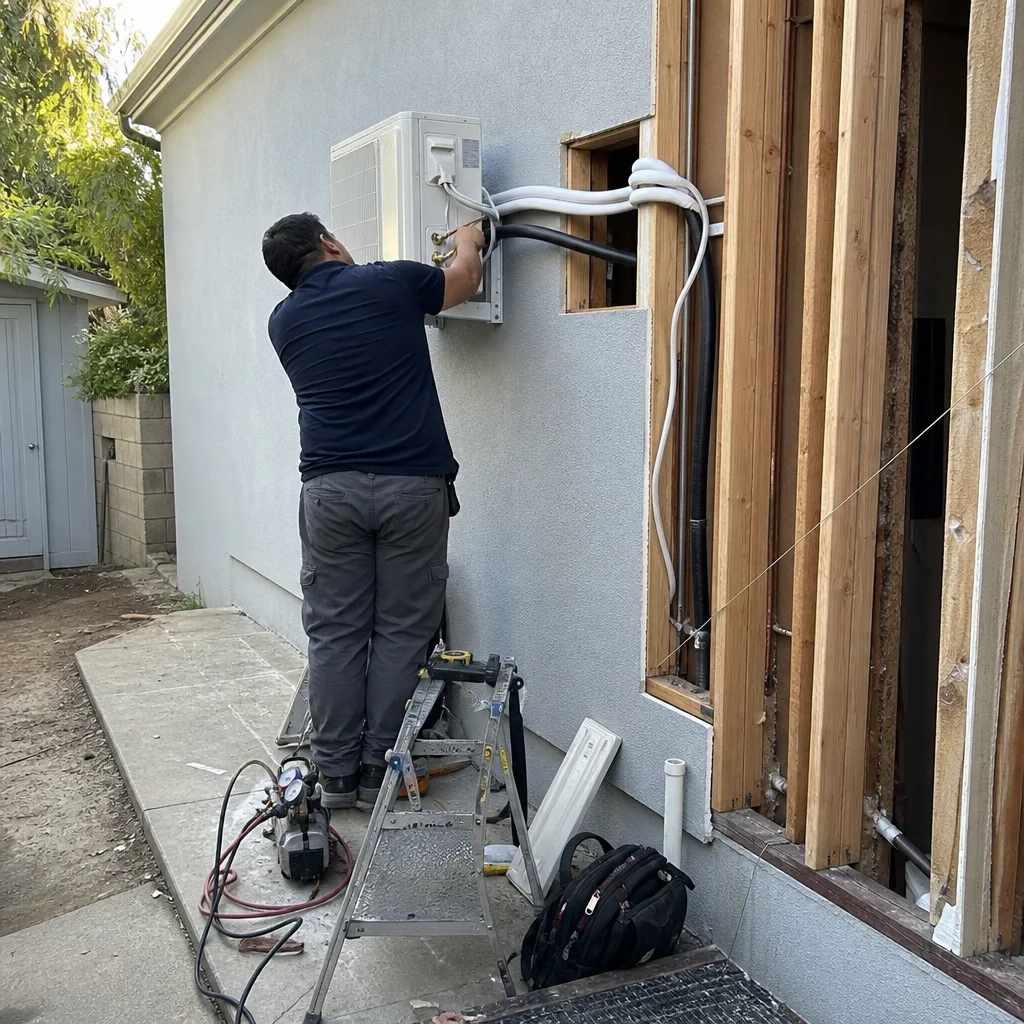
- Wall panel delamination or bubbling, especially on the south- or west-facing walls. Burbank’s combination of 100°F summer days and overnight cooling creates expansion cycles that stress the panel adhesive. We see this most in Magnolia Park conversions where the original garage had zero overhang and Cover’s spec didn’t account for added lateral heat load.
- HVAC fault codes (Mitsubishi E6, E9, or blinking power LED) that clear briefly then return. The mini-split Cover specs is sized for the original panel R-value; if insulation has settled or moisture has entered the panel core, the unit short-cycles. Our thermal camera finds the cold spot in about ninety seconds.
- Subpanel tripping under normal load, or burning smell from the electrical chase. Cover’s standard garage conversion subpanel is 100A, which works until the homeowner adds a 240V appliance the original spec didn’t include. The aluminum bus bar in pre-2022 units runs hot; we’ve replaced three in Burbank this year alone.
- Floor-level moisture staining where the Cover wall meets the existing slab. Garage slabs in Burbank’s older neighborhoods, especially south of Magnolia Boulevard, were poured without vapor barriers. Cover’s base track is aluminum; it doesn’t rot, but it telegraphs moisture into the bottom plate if the slab wasn’t properly sealed during conversion.
- Door or window operation getting stiff, frame visibly out of square. Cover’s cam-lock system tolerates minimal racking. If the original garage slab has settled, which is common in Burbank’s hillside-adjacent zones near Verdugo Mountains, the wall assembly twists and the pre-hung openings bind.
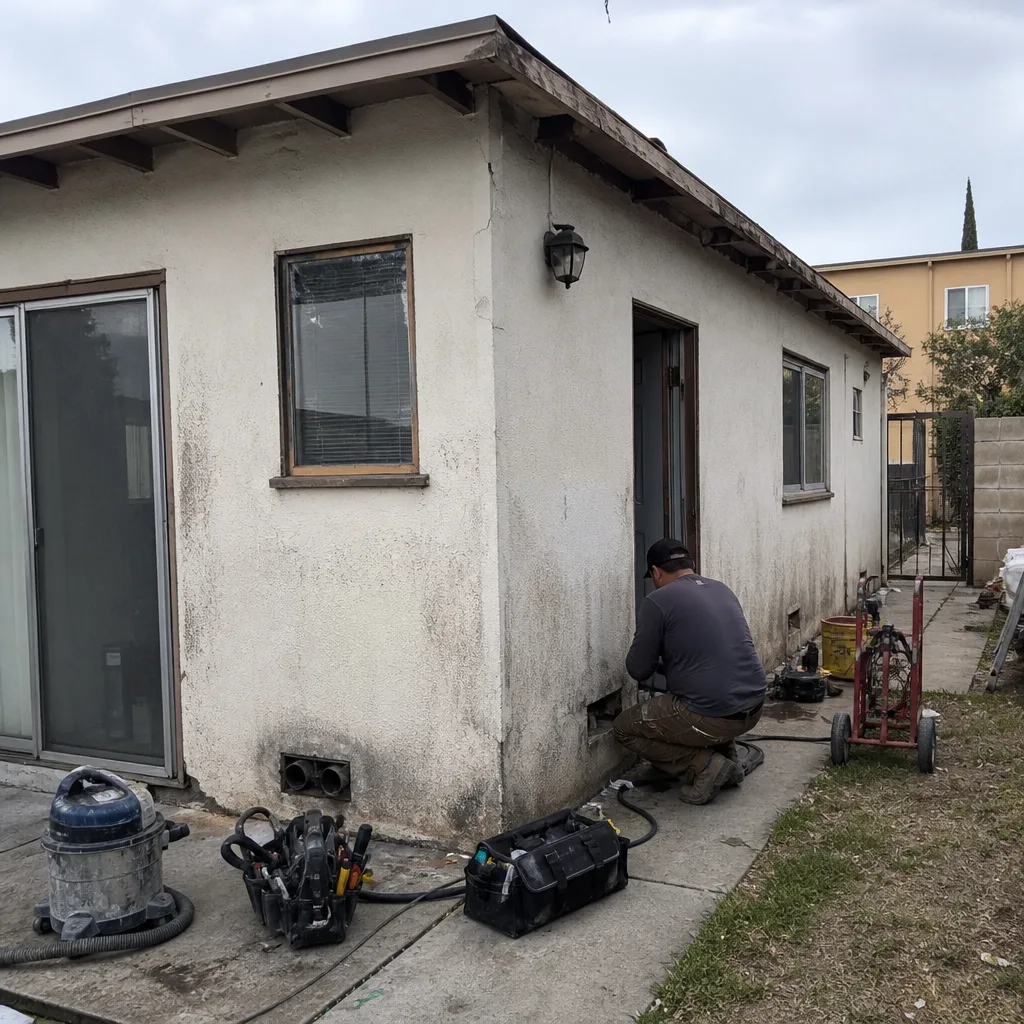 Before
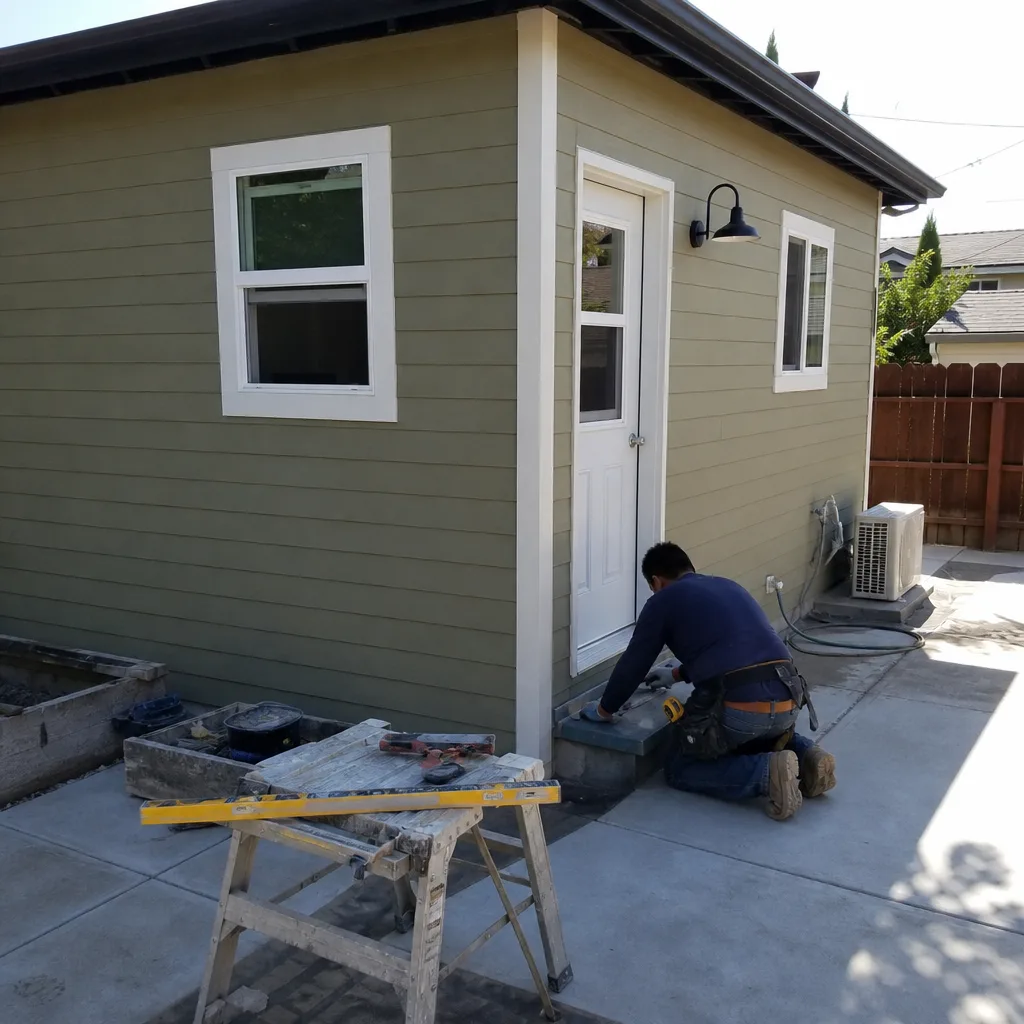 After
AfterReplacement Cost & What’s Included
Cover garage conversion ADU part replacement in Burbank typically runs $1,800-$4,200 installed, with the spread driven by three factors: whether we’re accessing a single panel or a full wall section, whether the electrical subpanel needs upgrading from 100A to 125A or 200A, and whether the slab requires moisture remediation before we reinstall the base track.
| Component | Typical Range |
|---|---|
| Single wall panel (CGS-400/600, OEM) | $1,800-$2,600 |
| Wall section with insulation core replacement | $2,400-$3,400 |
| Electrical subpanel upgrade (100A to 125A/200A) | $2,800-$4,200 |
| Base track + slab moisture seal | $1,600-$2,800 |
Every replacement includes removal and disposal of the failed component, installation per Cover’s torque and fastener spec, and a documented photo record of the cavity condition before we close it up. Under Haven Standard Clause 1, the price on your signed agreement is the price you pay; no change orders for conditions we could have observed. The 365-Day Done Right Promise covers installation workmanship; OEM panel defects go through Cover’s warranty channel, which we handle as part of the contract.
DIY or Call Us?
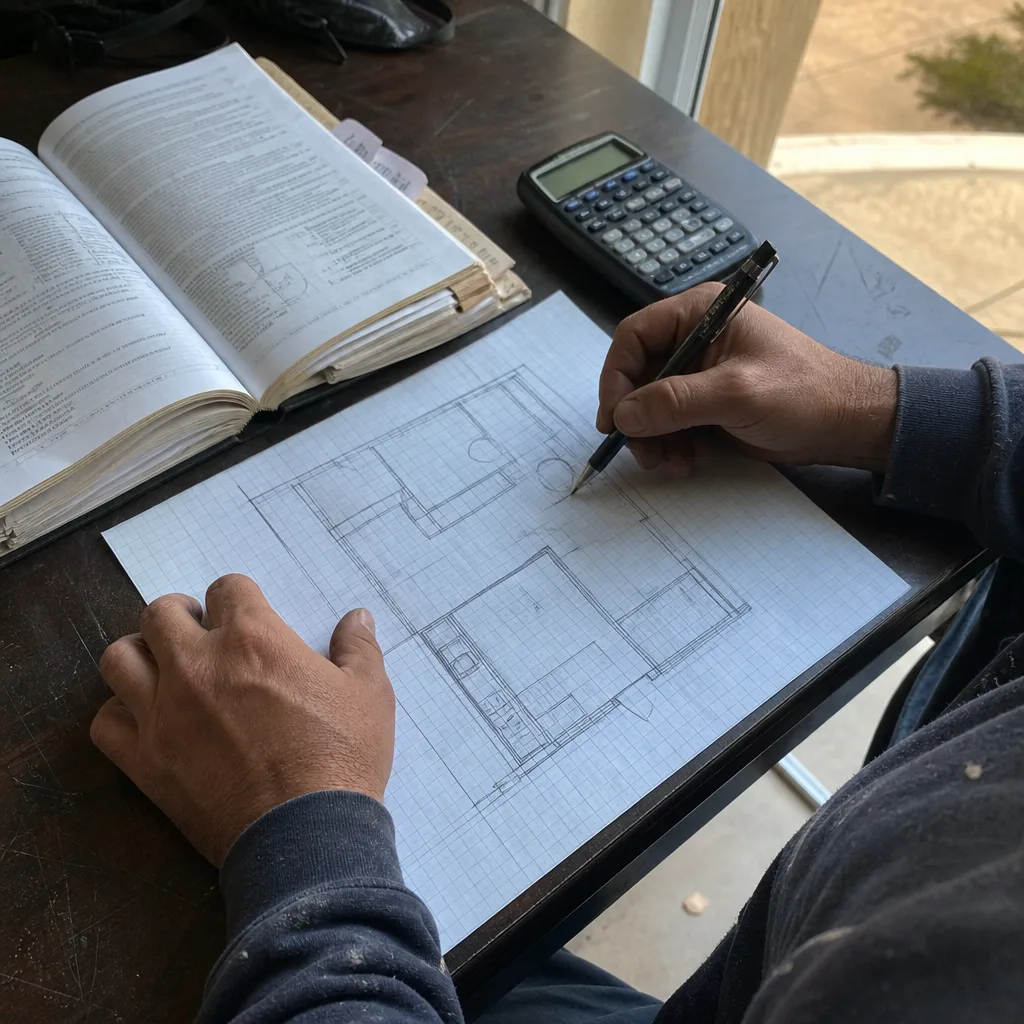
There’s a short list of what a Cover owner can safely check: reset the Mitsubishi remote, verify the subpanel breaker positions, and look for visible delamination or staining. Beyond that, the risks stack fast. The wall panels weigh 85-120 pounds each depending on thickness, and the cam-lock requires a specific engagement sequence; done wrong, you compress the edge seal and create a thermal bridge that won’t show up until your Burbank summer electric bill arrives. The electrical subpanel is live, bonded to the main house panel, and often located in a chase with limited working clearance.
We don’t write step-by-step disassembly instructions for this system. The number goes on paper first. Everything else follows from that. If you’re seeing symptoms, call (747) 322-4648 and we’ll schedule a site visit with a written range before we arrive.
FAQs
Cover rates their panels at 25 years structural, but in Burbank’s dry heat with occasional Santa Ana wind loading, we’re seeing delamination start at 8-12 years on unshaded south walls. The panel doesn’t fail catastrophically; it loses R-value incrementally, which the homeowner notices first as HVAC runtime increase. Call (747) 322-4648 for a thermal scan that’ll show exactly where you stand.
No. Once the adhesive bond between the OSB facing and the EPS core fails, injection repair doesn’t restore structural shear capacity, and Burbank’s building inspector will flag it on any future sale inspection. Replacement is the only code-compliant path. We stock CGS-400 and CGS-600 panels in Los Angeles and can typically source same-week.
Most single-panel replacements are done in one day: two hours for careful disassembly, thirty minutes for cavity inspection and documentation, then reinstall and seal. Subpanel upgrades add a day for utility coordination and Burbank inspection scheduling. We pull permits where required and pass inspection before we invoice.
We stock the high-failure items: CGS-400/600 wall panels in standard rough-opening sizes, base track and corner posts, and Siemens subpanel components. Specialty finishes or non-standard window configurations ship from Cover’s LA warehouse in 3-5 business days. Ellery ADU Studio Burbank is an independent service provider, not affiliated with Cover; we coordinate their system under our single-contract design-build model, same as we do for Abodu, Dvele, and other prefab brands.
Written by Nadia Ellery, Owner, Ellery ADU Studio Burbank at Ellery ADU Studio Burbank, serving Burbank and nearby areas.